If you've ever wondered if see through solar panels are as effective as conventional solar panels, then you're not alone. This type panel doesn't transmit light as well as they are more expensive. Let's explore why see through solar panels aren't the most efficient choice for your home.
Transparent solar panels don't perform as well as traditional solar panels
Transparent solar panels have a lower efficiency than traditional solar panels. Although these panels don't have high thermal mass, they still require constant sunlight for their operation. These panels can be inefficient in certain situations. However, the large-scale deployment of these panels compensates for this disadvantage. Because they are made of glass, transparent solar panels are more fragile than regular solar panels. Therefore, extra care should be taken when handling them. These panels also require different electronic devices to function properly.
These limitations aside, transparency solar panels offer great potential. For example, the glass surface of skyscrapers and buildings is a huge area for capturing sunlight. According to Richard Lunt at Michigan State University Johansen Crosby Endowed Professor of Chemical Engineering, transparent solar cells are the future in solar panel technology.
They transmit less sunlight
See-through solar panels emit less light than conventional panels. This is because the back contact of regular thin-film solar cells is made of a non-transparent metal. This means that solar cells can trap more light and are more efficient. The cost of making a back electrode with the right properties can be very expensive.
These are more costly
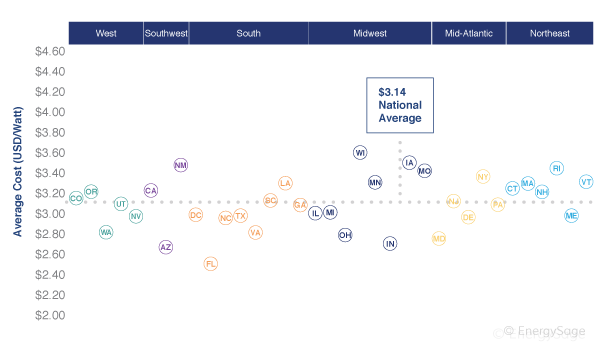
The reason that see through solar panels are more expensive is that the cells that make them up are transparent. These panels require more glasses and cells. However, panels themselves can be quite affordable. The cost of installing them will depend on the type of glass used and the PV coating applied. The panels can produce the same power as rooftop solar systems if they are installed correctly.
To make them more cost effective, solar panel makers should develop new materials with higher efficiency. They must also be tuned to match sunlight. This is necessary to ensure that they don't absorb light at longer wavelengths, which would result in a mismatch in the band gap of the material. The new technology will make it possible to make solar panels from less material and make them cheaper.